

CUPELLINI, Eva
Home Institution: Politecnico di Milano, Scuola del Design Host Department: Department of Visual Communication Design April 2026 to July 2026
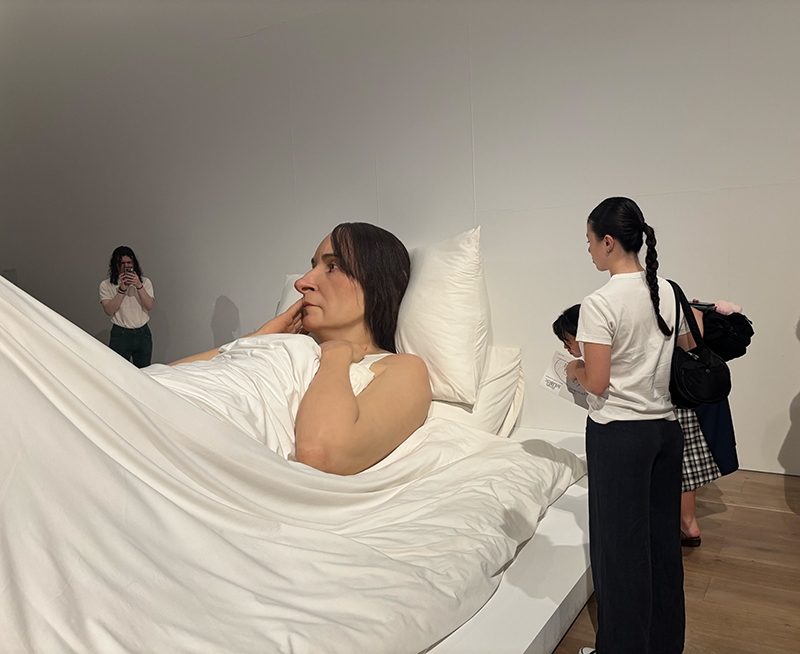
Coming back to Italy after this experience was much harder than I expected. Looking back at these four months, it almost feels like a distant dream.
Studying at Musashino Art University was an opportunity I had been hoping for a long time. Choosing Japan was not only about having an experience abroad, but also about getting closer to a part of my own background. My mother is Japanese, and I grew up spending my summers in Japan. I have always been fascinated by Japanese design, especially the packaging and advertising I encountered there, and I wanted to understand more about the way they are conceived and developed. In this sense, studying at MAU gave me the opportunity to approach something I had been interested in since I was a child.
During my time at MAU, I met many students who were highly motivated and shared the same curiosity and desire to learn. Coming from different artistic and cultural backgrounds, they brought perspectives that were very different from my own and made the exchange experience even more valuable.
Academically, the four months were intense. I chose four demanding courses - Typography, Marketing Design, Photography and Packaging Design - and they kept me constantly busy. However, the workload also allowed me to achieve what I was looking for from this experience and to explore areas of design that I wanted to develop further.
Professor Kitazaki was especially helpful in this process. After listening to my interests and what I was hoping to find at MAU, she helped me choose courses that were a very good fit for my interests.
What made the classes particularly enjoyable was also the professors and their approach to teaching. Many of them have extensive professional experience, and their feedback often went beyond academic advice, giving us a perspective on design and the professional world that is difficult to gain from university alone.
The critiques with Tobiyama-sensei are among the experiences I will remember most. His way of thinking and developing ideas so quickly made every critique stimulating, and his feedback often made me feel excited to keep developing my projects.
I was also very grateful for the availability of Sawada-sensei and Koyanagi-sensei, who were always willing to support us and even made time for critiques on Sunday mornings via Teams. In general, I found the professors very approachable and encouraging throughout the projects.
One aspect that was more challenging was the language. The courses involved many presentations and critiques, where we had to explain the development of our projects. Knowing Japanese was certainly a great advantage, as it allowed me to communicate my ideas more clearly and present my work more effectively. At the same time, I saw how other exchange students, even without speaking Japanese, were able to build close relationships with the students who translated for them.
What I will remember most about MAU, are the everyday moments: the corridors, the campus, the library full of books, the sound of the class bell and all those small routines that gradually became part of my daily life.
MACELLONI, Luna
Home Institution: Politecnico di Milano, Scuola del Design Host Department: Department of Imaging Arts and Sciences April 2026 to July 2026
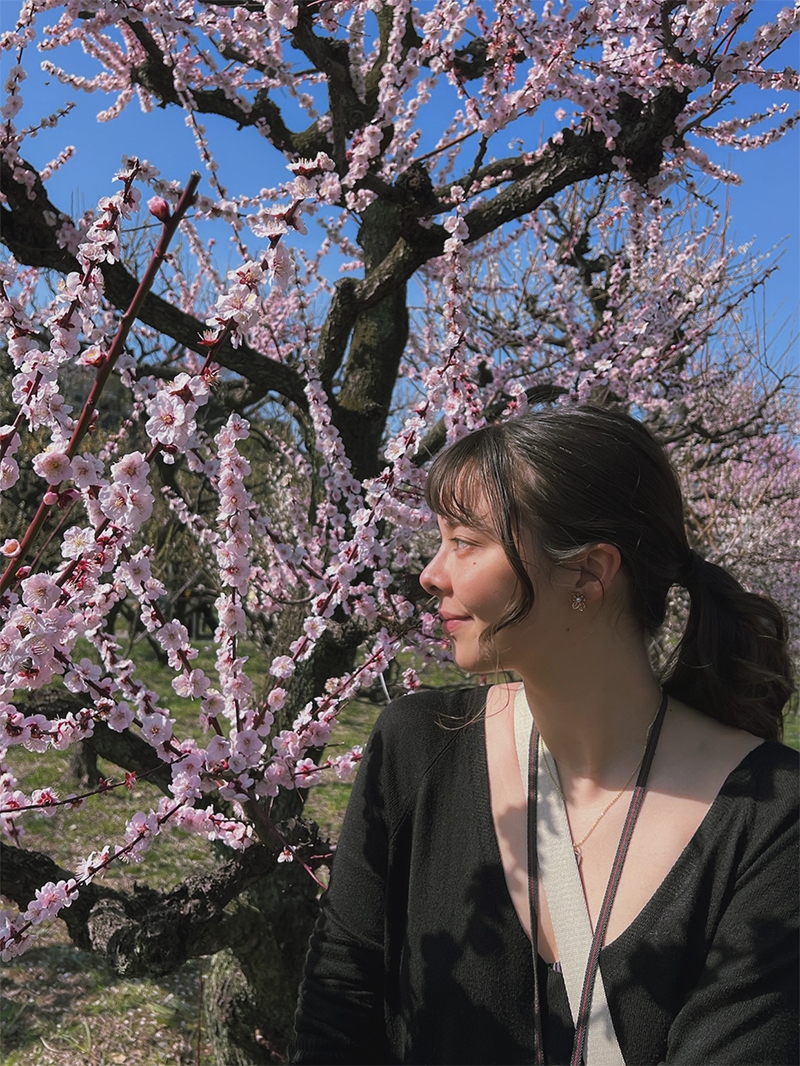
Before flying out to Japan, I was aware that one semester is not a long time. I braced myself to make the most out of my time there, bookmarking innumerable spots: a town, a restaurant, a bookshop, an activity. I started planning and dreaming of all the things I would do once I got there. Luckily, I managed to do most of them, but not without effort, and not without the crushing awareness of how fleeting four months can be. Between classes, bureaucracy, trips, and friends, the end came way too early. I miss it already.
My experience was perhaps slightly different from that of a typical exchange student, since I am half Japanese and have some family in Tokyo. A lot of this exchange, for me, was more about reconnection rather than discovery. Still, I believe that while I have had the privilege of visiting many times, living here has had a completely different impact on me than mere travelling. I miss the sense of inspiration and excitement that I had when I was there, but now I try to carry that enlightening perspective everywhere I go.
Needless to say, knowing the language is a great advantage. I love talking, so I cherished this ability a lot. I saw many other exchange students around me gain enough knowledge to communicate at checkouts or have basic conversations with friends, and while it may be hard to get to that level, it is very much worth it. That said, knowing the language is not a magic card that makes everything go smoothly, so I had to go through a period of adjustment where I struggled to make real connections with people outside of the exchange student group. But with time and patience, something unlocked, and I felt like I could establish connections much more easily.
My home university is very focused on concept-making rather than craft, so the classes that I appreciated the most were the ones where I could be more hands-on. As such, one of my favorite classes was film photography. There, I shot and developed rolls of film myself and printed them in the darkroom provided by the university. It fundamentally changed how I view photography and how I take photographs.
On the other hand, I also loved my asian documentaries class, which had a more theoretical approach. I believe that this class fundamentally changed the way I view documentaries, or better yet, film as a medium. I developed a newfound admiration for amateur filmmaking and its unique value, which cannot be replicated in big-budget films. The documentaries I had the privilege to watch told stories that otherwise might have been forgotten, precisely because of their smallness and uniqueness.
I was also able to attend professor Christophe Charles’ seminar, which was a great gateway to experimentation and friendship. I loved the chaos in the room: instruments, papers, and projects all over the place, and the energy that the other students brought with them. It was unlike anything I had ever experienced before and a great source of creative freedom. I’m grateful for this welcoming and warm environment that made me feel at home even when I was lost or scared.
Overall, there is an incredibly varied curriculum that is worth considering: a once-in-a-lifetime opportunity to challenge yourself outside the bounds of your home university. While there were moments of hardship, the university provided kind support every step of the way, especially through the international team. I think that MAU is a great university to choose if you’re ready to be challenged both creatively and personally, while also having room to explore and have fun in a new country.
YUAN, Ruisi (Rose)
Home Institution: Pratt Institute Host Department: Department of Visual Communication Design April 2026 to July 2026
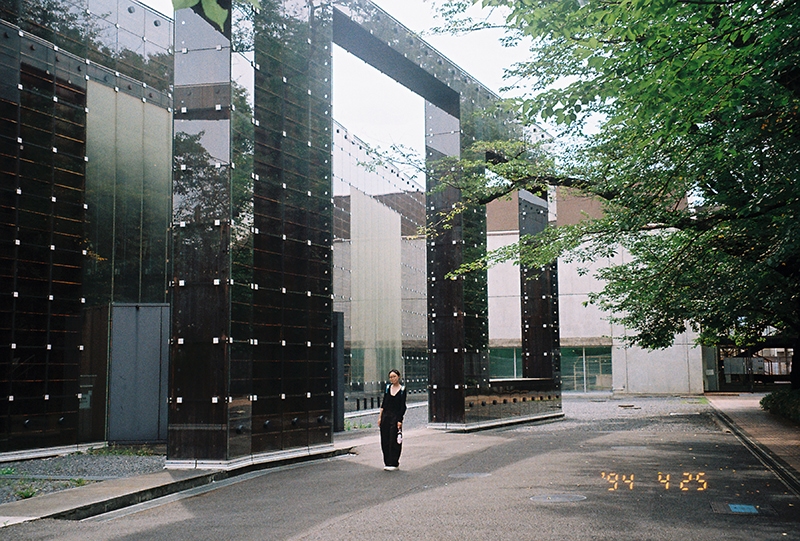
My name is Ruisi Yuan (Rose). I am originally from China and am currently studying Graphic Design with a minor in Textile Design at Pratt Institute in Brooklyn, New York. My exchange program at Musashino Art University (MAU) has been one of the most valuable experiences in my academic journey.
I studied in the Visual Communication Design Department and took Package Design, Typeface Design, UI/UX Design, and Materials. I chose to study in Japan because of my interest in Japanese package design and traditional craftsmanship. Hiroyuki Tobiyama Sensei taught me how packaging connects with the real market, while Isao Suzuki Sensei introduced the history of typography and its relationship with Japanese culture. Masaki Hara Sensei always made sure language was not a barrier by using translation tools during class. In the Materials class, Junko Suzuki Sensei introduced me to traditional textile regions across Japan, which greatly inspired me as a Textile Design student.
I am especially grateful to my tutor, Sakura, who helped me understand classes, shared her notes, and introduced me to many Japanese students. I also enjoyed participating in Open Campus and celebrating the end of the semester with my classmates and professors.
Although balancing three studio classes and one lecture course was challenging, I learned how to manage my time and successfully completed all of my courses. Living in Japan also gave me the opportunity to explore museums, exhibitions, and traditional craft workshops, which deepened my appreciation of Japanese design and culture.
This exchange experience has strengthened my passion for graphic design and craftsmanship while helping me grow both academically and personally. I am grateful to everyone at MAU for making this experience unforgettable, and I am confident it will continue to inspire my future career.
TILLINGHAST, James Calder
Home Institution: Pratt Institute Host Department: Department of Japanese Painting September 2025 to January 2026
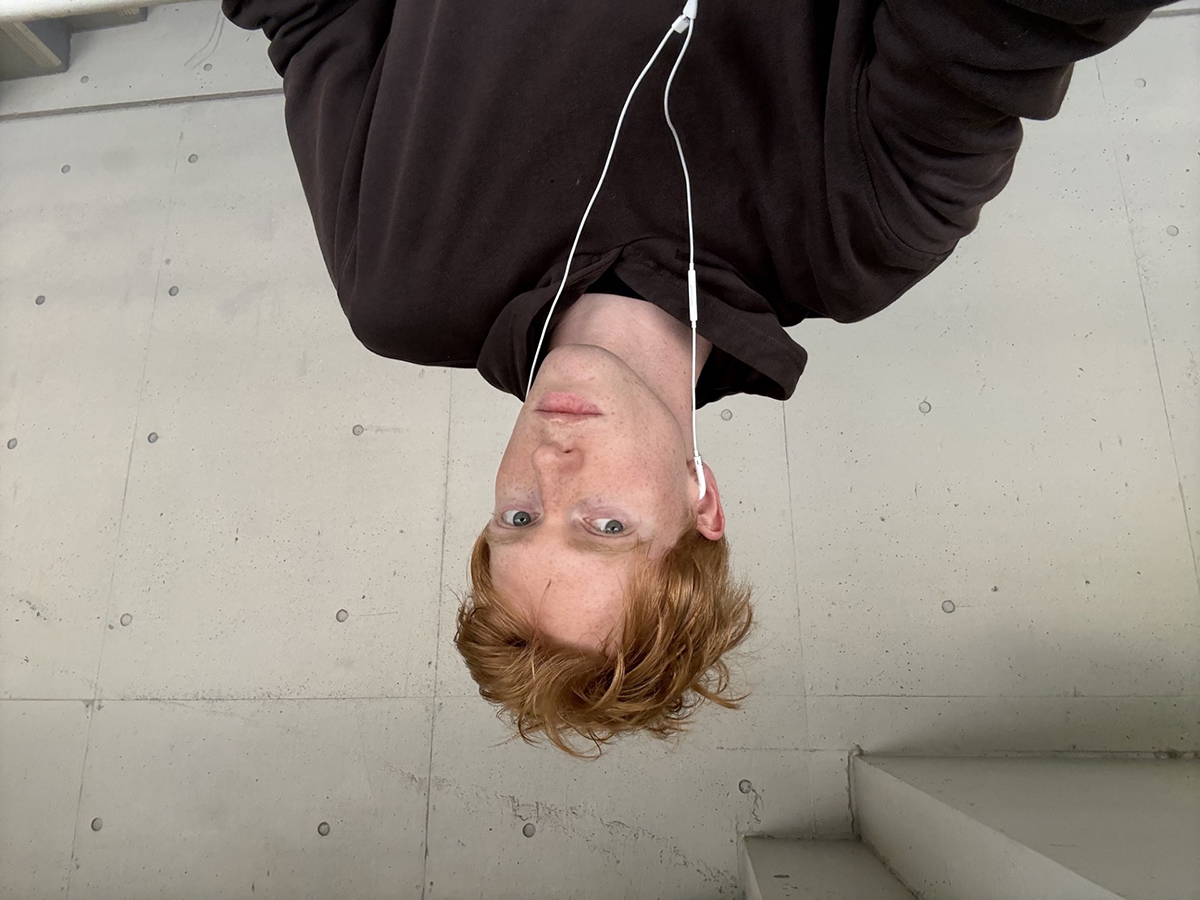
Hey! I’m Calder, a Painting major at Pratt Institute in New York.
When I first heard I had the option of going to Japan for my semester abroad I was deeply intrigued. I had never been before and wanted to explore an area of the world I’d never experienced yet. The more I looked into and learned about Musabi the more excited I became.
I chose to major in the Nihonga (Japanese Painting) department at Musabi in an effort to acquire knowledge that I couldn’t get elsewhere. When first arriving, I didn’t know exactly what to expect or even what Nihonga entirely was; but I was greeted with the utmost kindness and warmth from the department. The curriculum itself is very different from my home university—From the get go I was learning new methods and techniques. The classes were engaging and highly informative, even with the language barrier. Overall I was enthralled with all the new methods and materials I was able to incorporate into my work, I can confidently say that I am coming back with a fresh perspective and skill set for my work!
Another crucial aspect of the experience was the environment at Musabi. The campus was excitingly vast with many tucked away nooks and great facilities. One of my personal highlights was the school lunch, the food was always fresh and delectable! An additional important part of the experience were my friends and classmates. I joined the tennis club and was welcomed immediately by the students—and even though we couldn’t communicate much with each other verbally, the tennis court had a way of unifying us.
As for Tokyo itself, I was engulfed by the sheer scale of the city in all the best ways. I would recommend getting to as much of the city as possible. I loved popping into little cafes or boutiques as well as museums. I don’t think I had any ‘bad’ food anywhere in Japan, and would suggest trying everything and anything. If you can, I would highly recommend getting out of Tokyo as well, honestly everywhere is great but I would particularly recommend visiting Hokkaido if you get the chance. At some points I felt as though I needed to do more, or see more but it’s impossible to do it all and that’s alright! That’s why you come back :)
This was a once in a lifetime experience that I wouldn’t give up for anything. I would urge anyone considering studying abroad at Musabi to do so. The impact that this experience had on my life has been immensely profound and unforgettable. I can’t wait till I get the chance to come back!
FUNG, Casper
Home Institution: Pratt Institute Host Department: Department of Industrial, Interior and Craft Design April 2026 to July 2026
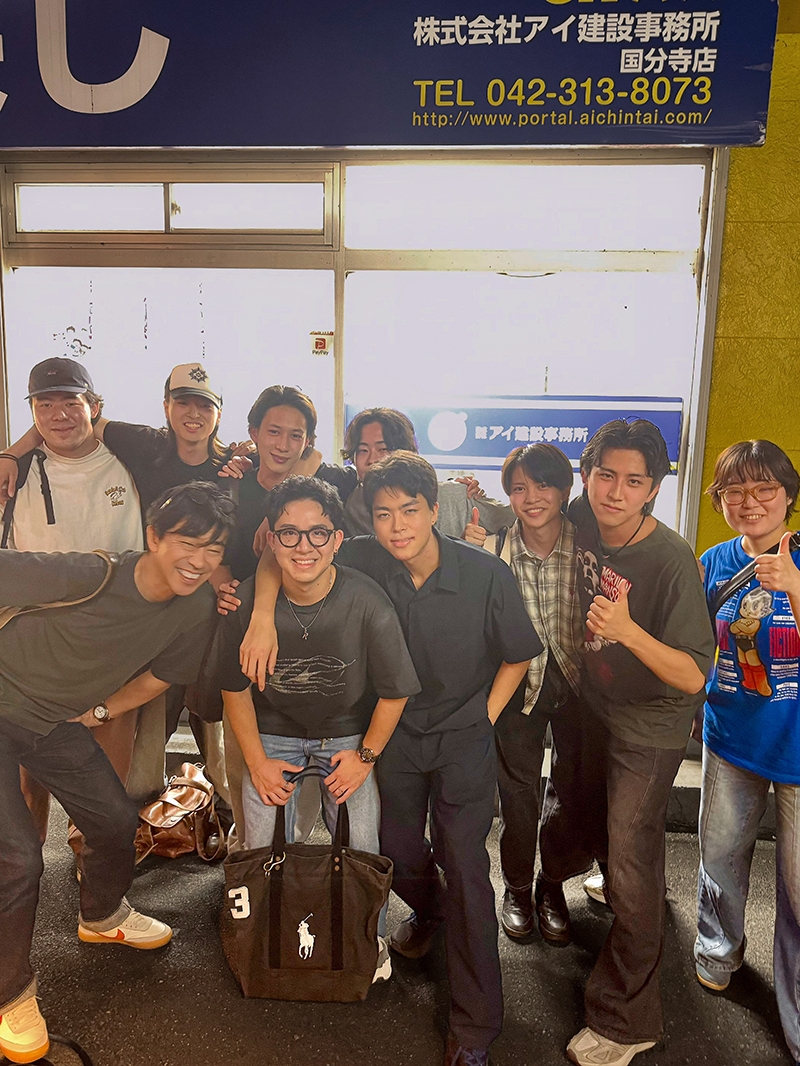
Hello, my name is Casper, and I am a third-year industrial design student from Pratt Institute. I studied abroad at Musashino Art University (Musabi) during the spring semester.
The first major difference from my home university was the academic calendar. At Pratt, our spring semester usually runs from mid-to-late January through mid-to-late May. At Musabi, however, the spring semester starts in early April and ends in late July. Because of this shift, my winter break felt like a summer break, and vice versa.
My main goal coming into Musabi was to take classes unavailable at my home university. I enrolled in a mobility design course, which is not offered in Pratt’s industrial design program, as well as a second-year course in the interior design department. The scheduling and pacing were quite different from what I was used to. Both design courses were intensive, meeting for about three hours a day between Monday and Saturday. My mobility design course ran for the full semester, while the interior design class was condensed into just five weeks. I also took a mandatory introductory Japanese class once a week for an hour and a half, which definitely helped me integrate into daily life in Japan.
Like Pratt, Musabi maintains relatively small class sizes; my largest class had about 30-40 students, and the smallest had fewer than 10. This allowed me to spend time in discussions with the professor and really get to know my classmates and their design styles.
One thing that surprised me was the dynamic between students and professors. I had anticipated a more distant, formal relationship, but the professors were actually very down-to-earth, supportive, and invested in building meaningful connections beyond just instructor and student. Despite the language barrier, everyone was incredibly friendly and eager to help. Since the courses were conducted entirely in Japanese, my mobility design professor, Professor Kobayashi, spent extra time after almost every session translating class materials for me and arranged a student helper to assist with lectures, instructions, and discussions. We even went out for a group dinner after our final class!
The mobility design class even went on field trips to the Toyota Boshoku office and the Honda Museum. Additionally, the professor invited a Honda designer to one of our classes to critique our work. These experiences were the cherry on top of an already rare and valuable study abroad experience, teaching me a great deal about the industry and real-world design practices.
Outside the classroom, I built strong bonds with fellow exchange students from around the world. Having that shared support system made the experience even more rewarding as we explored Tokyo and traveled across Japan together. Campus life was equally welcoming; the clubs, such as the basketball club I joined, were very open to exchange students, and the university hosted great events throughout the semester.
I also have to mention the International Relations Office and the dorm managers. They assisted us with every aspect of settling into Japan and were always reliable whenever questions arose.
They also did a fantastic job creating opportunities for exchange students to connect with local Japanese students. As a side note, I highly recommend living in the dorms; the staff guides you through Japanese customs and daily logistics, which makes building friendships much easier.
Lastly, my biggest piece of advice is to travel as much as you can, both within and outside Tokyo. You learn just as much from the city and culture as you do in the studio, so get out there, explore, and experience everything!
ASCHENBRENNER, Nicole
Home Institution: Koeln International School of Design Host Department: Department of Design Informatics April 2026 to July 2026

In the blink of an eye, this past semester has already gone by, and I am leaving MAU with an immense feeling of gratitude. Studying abroad in an environment so culturally different to home came with great challenges, but the incredible support system at MAU made it possible to face and overcome them in ways that resulted in immense personal and academical growth.
It was of incredible help and comfort to have Yuma Koga, Keiko Takahashi and the rest of the International Office staff around as our coordinators. Their guidance helped me a lot to navigate not only studying at MAU, but also living in Japan in general. They were always there for us to address any question or worry we would come up with and supported us in every way they could.
In a meeting with Professor Shiraishi, my supervising professor throughout my stay, the semester started with us curating a semester curriculum for me together that aligned with my strengths and research interests. I was enrolled in the Department of Design Informatics and the courses I took part in were mostly media related. They offered space for me to implement knowledge I had, but for the most part, I got to try out and learn things that were totally new to me. New skills and interests have emerged in this time and will be taken home by me, certainly bearing great influence on my further path of study.
Because of an overlap with a seminar I took part in, I unfortunately could not attend the Japanese language class. Self-study would also only bring me so far. Nevertheless, the student tutor system that assigns a MAU student fluent in English to me for each class rendered most worries around the language barrier needless, as did the support and patience of the professors and fellow students. In one seminar, the professor even provided English presentation slides along Japanese ones, a gesture I cherish highly since it helped me following his class almost effortlessly.
There were certainly times of struggle, too: I took part in a class that involved group work, something that is the main type of project work at my home university. At a Japanese university, however, it naturally led to moments which highlighted the language barrier intensively and could be extremely frustrating and challenging. But with the support of my group members, their ongoing encouragement and high engagement to include me, we were able to pull through together, and I have grown immensely in the process. The semester ended with me feeling incredibly grateful for how engaged everyone was to include me in the curriculum and campus life at MAU.
My advice to future students is to familiarize themselves with the language beforehand as much as possible. But to also not let any language or cultural barrier intimidate or discourage you. An ongoing eagerness to experience, adapt and learn will be the key to finding your feet in Tokio as well as warm companionship when meeting its diverse set of people. Places outside Tokio are also so worth visiting and it is surprisingly easy to do so.
Also, get a Japanese phone number: It will make your life here so much easier.
Life in Tokio is very dynamic and there is just so much to explore and indulge in. It was an incredible time I got to spend here and the memories will be cherished by me forever. I am already excited about visiting again in the future.
LEE, Seok Hwan
Home Institution: LASALLE College of the Arts Host Department: Department of Industrial, Interior and Craft Design April 2026 to July 2026
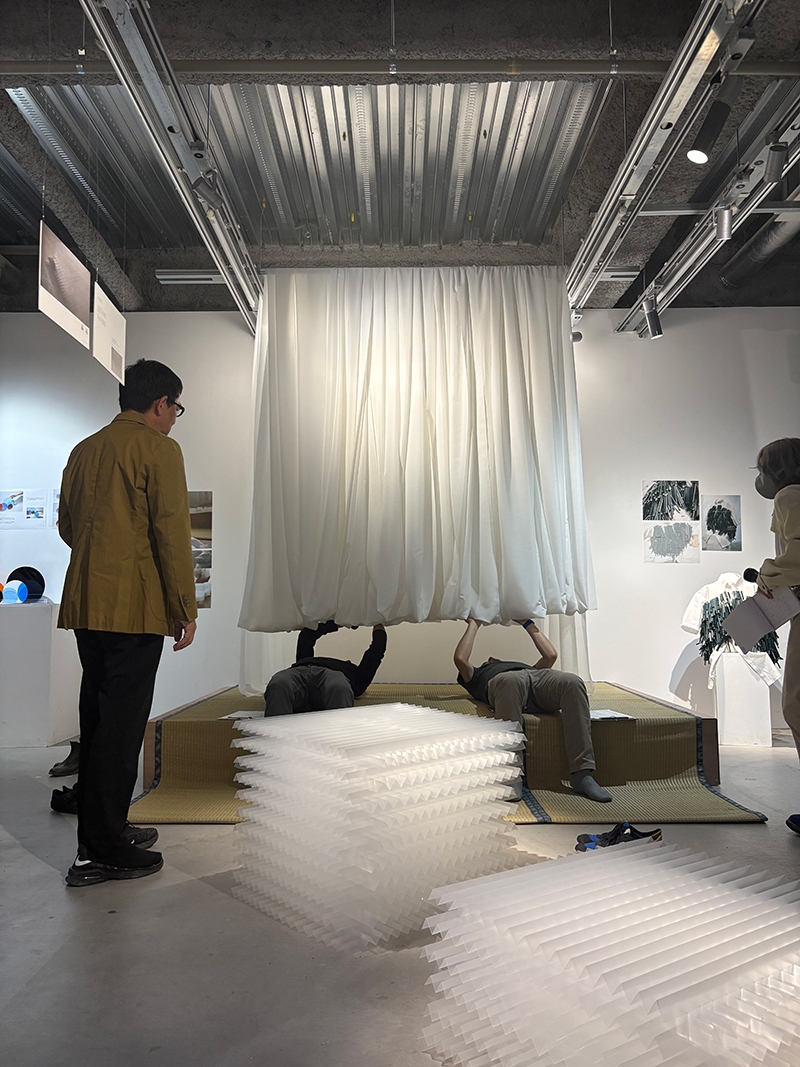
My name is Seokhwan Lee, a Korean student studying Interior Design in Singapore. Having entered LASALLE College of the Arts without prior formal training in art or design, I had been striving relentlessly to keep pace with my peers. However, I continuously found myself searching for what truly constitutes "my own design." Seeking a fresh perspective, I joined the exchange program at Musashino Art University, a decision that ultimately provided me with the environment to contemplate and discover my creative identity. From my daily bicycle ride from the dormitory to walks across campus, every moment at MAU sparked meaningful questions and reflections.
I would like to express my deepest gratitude to the International Office team, whose dedication ensured that we settled in smoothly through incredible support with daily life details, club activities, and course planning.
My entire learning experience took place in the Interior Design studio of Building 16, where the workshop on the first floor left a lasting impression. Upon first entering, I was humbled and inspired by the intense focus and enthusiasm of my peers. Working in this space was both challenging and rewarding, made possible through the unwavering support of the Teaching Assistants, Mutosan and Inoue-san, who patiently guided and encouraged me through long hours of project work.
In particular, I would like to convey my heartfelt gratitude to Professor Ito and Professor Yamanaka. Their insightful mentorship, deep passion for teaching, and endless encouragement truly transformed the way I approach design. The genuine feedback and wisdom they shared during each project served as a major turning point in finding my creative direction.
This dedication was especially evident during the Open Campus exhibition, which I had the privilege of preparing alongside my classmates. Seeing Professor Ito, Professor Yamanaka, and the teaching team work late into the night alongside us, treating us as true creative collaborators, was a deeply moving experience that I will never forget.
To anyone considering an exchange at MAU, I encourage you to apply without hesitation. Beyond the beautiful campus and remarkable library, MAU is filled with inspiring individuals and passionate artists. My time at MAU was a profound journey of artistic and personal growth. I extend my sincere appreciation to everyone who made this journey so meaningful, and I look forward to the day our paths cross again.
LIU, Ruier
Home Institution: China Academy of Art Host Department: Department of Science of Design April 2026 to July 2026

武蔵野美術大学での交換留学は、私にとって新しいことに挑戦し、視野を広げることのできた、とても貴重な経験でした。中国の大学院でデザインを学んでいる私にとって、日本で授業を受け、異なる環境の中で制作に取り組むことは、とても新鮮でした。
ムサビで特に印象に残っているのは、授業の進め方と制作に対する考え方です。完成した作品だけではなく、アイデアが生まれてから形になっていくまでのプロセスを大切にする授業を通して、自分のデザインについて改めて考える機会が増えました。また、自分の専門以外の授業にも参加し、さまざまな先生や学生の考え方に触れられたことも、とても刺激的でした。
授業では、日本人の学生と一緒にグループワークをする機会もありました。最初は日本語で自分の考えを伝えることが難しく、プレゼンテーションでも緊張していましたが、先生や学生と話すうちに、少しずつ日本語でのコミュニケーションにも慣れていきました。言葉が完璧でなくても、自分から伝えようとすることが大切だと感じました。
学校以外の生活も、大切な思い出です。日本人の友人や他の国から来た交換留学生と出会い、一緒に授業を受けたり、食事をしたり、旅行したりしました。半年間は思っていた以上にあっという間で、ここで出会った人たちと過ごした日常そのものが、留学で得た大切なものの一つになりました。
留学中は、国際チームの先生方に履修登録や生活面など、さまざまな場面で親切にサポートしていただきました。また、寮長さんや寮母さんにも日々の生活でたくさん助けていただきました。寮はとても過ごしやすく、食堂のご飯も毎日の楽しみでした。皆さんのおかげで安心して留学生活を送ることができ、本当に感謝しています。
これから交換留学に来る学生には、日本語に自信がなくても、興味のある授業や活動に積極的に参加してほしいと思います。自分から一歩踏み出すことで、たくさんの新しい経験や出会いがあると思います。
ムサビで過ごした半年間で、デザインだけでなく、人とのコミュニケーションや異なる文化に触れることの大切さも学びました。先生方、友人たち、そして留学生活を支えてくださった皆さんに心から感謝しています。ここで出会った人たちと過ごした時間や経験は、これからも一生大切にしたい思い出です。ここで得た経験を、これからの制作や研究にもつなげていきたいと思います。
My exchange experience at Musashino Art University (MAU) was a valuable opportunity for me to try new things and broaden my perspective. As a graduate student studying design in China, studying and working on creative projects in a different environment in Japan was a fresh and inspiring experience.
One of the things that impressed me most at MAU was the approach to teaching and the creative process. The classes focused not only on the final outcome, but also on the process of developing an idea into a finished work. This gave me many opportunities to reconsider my own approach to design. I was also able to take classes outside my usual field of study and encounter different perspectives from professors and students, which was very inspiring.
I also had opportunities to work in groups with Japanese students. At first, it was difficult for me to express my ideas in Japanese, and I often felt nervous during presentations. However, through discussions with professors and classmates, I gradually became more comfortable communicating in Japanese. I realized that even if my language skills were not perfect, making an effort to express myself and communicate with others was what mattered most.
Life outside the university also became an important part of my memories. I met Japanese friends as well as exchange students from other countries, and we attended classes, had meals, and traveled together. The six months passed much faster than I had expected, and the everyday moments I shared with the people I met here became one of the most valuable parts of my exchange experience.
During my exchange, the professors from the International Team kindly supported me with course registration, daily life, and many other matters. I also received a lot of help from the dormitory managers in my daily life. The dormitory was very comfortable, and the meals at the cafeteria were something I looked forward to every day. I am truly grateful to everyone who supported and cared for me throughout my time at MAU.
For future exchange students, I would recommend actively participating in classes and activities that interest you, even if you are not completely confident in your Japanese. Taking the first step can lead to many new experiences and meaningful connections.
During my six months at MAU, I learned not only about design, but also about communication and the importance of experiencing different cultures and perspectives. I am sincerely grateful to all the professors, friends, and everyone who supported me during my exchange. The people I met, the time we spent together, and the experiences I had here have become memories that I will treasure for the rest of my life. I hope to carry these experiences with me into my future creative practice, research, and life.
SABA, Liz Stella
Home Institution: Ecole Nationale Superieure des Beaux-Arts de Paris Host Department: Department of Industrial, Interior and Craft Design April 2026 to July 2026
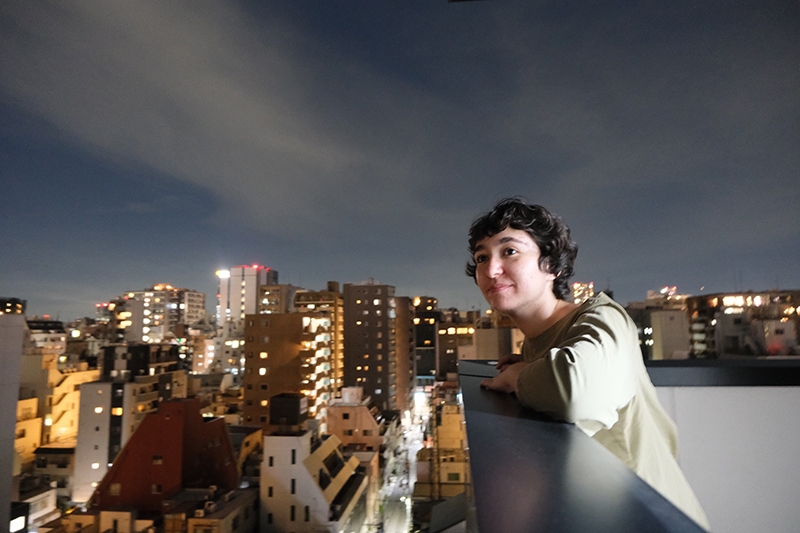
It was a beautiful experience in MAU, I enjoyed every single moment.
The school has many art possibilities, with inspiring encounters and passionate people;
If you are curious, don't hesitate to check the different buildings on both sites. There are many places, events and exhibitions there, you can really be inspired and learn new things everyday. Ask questions, curiosity is nice, and make new friends !
For the daily ambient part :
There are many nice spaces where to eat, rest, enjoy time outside and inside. There are two cafeterias, a kombini, and an art shop in the school, which is very useful. Plus, I recommend the Rock bar AOR, a delicious Italian pasta restaurant with good music, a nice owner, very near Musabi! The big library, I recommend to go see the basement section with a precious collection of books, treasurable information. You can also check on the web site their object collection; you might find it interesting to learn about.
The architecture of the school is brute and charming, a mix between old and new. You keep having fun discovering new places, beautiful views… and there are animals in the school: sheep, goat, chickens, a koi fish pond, one big turtle building 14, and Azuki the beloved black cat at the entry of the second site near the guards.
For the work aspect :
You will be well followed by the Musabi International Office. Yuma, Keiko and Mayumi are wonderful people who are ready to help and hear from you.
As a fine art student, I did my exchange in the department of Industrial, Interior and Craft Design. I wanted to learn how to work with new materials and Japanese design culture. The rhythm was quite intense but so stimulating, you can really go deep into the materiality and technicity of each class you are gonna choose. I can say you will definitely come back with new skills and knowledge. I did 5 workshops of approx 3 weeks each within my 4 month exchange. Three craft classes workshop to discover a material and ways to form it, I choose Glass, Ceramic and Metal. And two workshops of interior design: Pavilion and Machine Made. Which I recommend if you want to learn about combining conceptual work and the use of the materials and forms as a system. It will be challenging but rewarding.
What I really loved about the teaching in the school is that when you have a project, professors take your demand seriously and give you sincere advice. From the thinking to the making, you will find various ways to make your work evolve and learn from it.
You will have a presentation at each final stage. Which is a very good exercise, to also appreciate other students' works. Also, the student takes care of the space, you will learn to do as well.
For the feeling :
Life in Japan was so soothing to me. I had so much fun having a room in the Musabi dorm with other students. It’s a good way to bond with a new environment. I loved biking each day to go to school, go shop groceries around, farm products and good food. Those precious things, as a person who lived in a city all my life, It felt very simple, right and sweet.
I grew a lot from this experience, and I made really good friends I wish to see again.
So enjoy your life at Musabi, make beautiful souvenirs and skills.
Wish you the best exchange !