

 市ヶ谷キャンパス

北崎允子(きたざき・まさこ)
KITAZAKI Masako
- 専門
- 参加型デザイン、インタラクションデザイン
Participatory Design, Interaction Design - 所属
- 視覚伝達デザイン学科
Visual Communication Design - 職位
- 教授
Professor - 略歴
- 2019年4月着任
武蔵野美術大学 視覚伝達デザイン学科 卒業(学士)
デルフト工科大学デザイン工学部 MSc. Design for Interaction修了(修士) - 研究テーマ
- デザインや造形活動を通じた、人々・組織・地域の間の参加と繋がりの促進による、創造的・持続的・倫理的な社会づくりの実践研究。
地域や集団の文化・習慣の特性に根付いた共創のあり方、多文化共生・多元的世界に寄与するデザインのあり方の実践研究。
2019年〜 現所属に着任。
2018年 ルガーノ大学ユビキタスコンピューティングリサーチグループ所属(スイス・ルガーノ)所属。シェアリングエコノミーに関する市民参加型デザインの実践研究に従事。
2016〜2018年 デルフト工科大学デザイン工学部(オランダ・デルフト)所属。地域・高齢者などを対象とした市民共創、参加型デザイン、Research through Designの実践研究に従事。
2003〜2019年 富士ゼロックス株式会社ヒューマンインターフェイスデザイン開発部ほか所属、新規事業のサービスデザイン、UXリサーチ、インタラクションデザイン、UIデザイン、グラフィックデザインに従事。
Graduated from the Department of Visual Communication Design, Musashino Art University (B.A.), and completed an MSc in Design for Interaction at the Faculty of Industrial Design Engineering, Delft University of Technology.
Appointed to the current position in 2019.
In 2018, affiliated with the Ubiquitous Computing Research Group at the University of Lugano (Lugano, Switzerland), where engaged in practice-based research on participatory design with citizens in the context of the sharing economy.
From 2016 to 2018, affiliated with the Faculty of Industrial Design Engineering at Delft University of Technology (Delft, the Netherlands), conducting practice-based research on citizen co-creation, participatory design, and Research through Design, focusing on local communities and older adults.
From 2003 to 2019, worked at Fuji Xerox Co., Ltd., at the Human Interface Design Department, engaging in service design for new business development, UX research, UI design and graphic design.
主要な研究経歴
- 人々が主体的に繋がり自分たちの課題に取り組む社会をつくる(2025年〜 トヨタコンポン研究所との共同研究)
- 市民の気象制御技術研究開発への参加—気象制御への不安解消(2025年〜 内閣府ムーンショット型研究開発事業・目標8内「海上豪雨生成で実現する集中豪雨被害から解放される未来」研究開発項目9-3・PI)
- 市民共創でデザインする未来のパーソナルデータ利活用のあり方(2022年〜2025年 トヨタ財団助成・プロジェクト代表者)
- RTD アプローチによる高齢者のリソースフルネスのためのデザイン(2017年〜2019年 オランダ科学研究機構助成・研究員)
Research Interests
- Practice-based research at creative practices that promote participation among people, organizations, and local communities for creative, sustainable, and ethical societies.
- Exploration of co-creative approaches rooted in the cultures, customs, and specific characteristics of local communities and groups, that contribute to multicultural coexistence and pluralistic worlds.
Major Research Experience
- Creating societies in which people proactively connect with one another and collectively address their own challenges (From 2025, Research Adviser, collaborative research with Toyota Konpon Research Institute)
- Citizen participation in weather modification technologies: addressing public anxieties surrounding weather control (2025–2026; Principal Investigator, Cabinet Office of Japan Moonshot Research and Development Program, In Goal 8: “Artificial generation of upstream maritime heavy rains to govern intense-rain-induced disasters over land”)
- Designing Future Personal Data Use through Co-Creation with Citizens (2022–2025; Project Leader, research grant from the Toyota Foundation)
- Designing for older people’s resourcefulness with a Research Through Design approach (RtD) approach (2017–2019; Researcher, funded by the Netherlands Organisation for Scientific Research)
新たな科学技術や政策が社会や日常生活に導入されるプロセスには、しばしば「科学者や専門家=与える側」と「市民=与えられる側」という非対称な関係が存在する。「デザイナー」と「ユーザー」という関係もまた、この分断を前提としてきた。このような非対称性は、人々が自ら考え、関わり、つくる可能性を狭め、ときに抑圧的な力として作用する。こうした関係を自明のものとしない社会とはどのようなものか。そして、異なる知識や立場をもつ人々のあいだにある分断を、デザインを通してどのように編み直すことができるのか。これらを研究上の主要な問いとしている。
インタラクション、参加、コミュニティ、市民共創に関する理論を基盤に、対象となる人々や地域、組織などの現場に実際に関わりながら、実践的な研究を行う。特に、人々が他者と共に何かを「つくる」行為によって生まれる力学や作用に関心がある。共につくることを通して、個人の認識、関わり合い、インタラクション、その「場」そのものがどのように変化しうるのか、実際の現場で実践研究をしている。
また、研究者自身が制作し、それを社会やコミュニティのなかで試し、人々との相互作用を通して省察的な実践知を構築していくResearch through Design(RtD)の可能性に関心をもつ。ここでいう「制作」は、モノをつくることだけを意味しない。ワークショップ、演劇、ゲーム、映像、インタラクティブメディア、グラフィック、立体物、空間、さらには政策や宣言なども含め、人々の関係や社会のあり方に働きかける多様なメディアを、研究と実践の手段として捉えている。
The processes through which new technologies and policies are introduced into society and everyday life often involve asymmetric relationships between “scientists and experts as providers” and “citizens as recipients.” The relationship between “designers” and “users” has similarly been premised on a divide between those two parties. Such asymmetries can constrain people’s capacity to think, participate, and create for themselves, and at times operate as forms of oppression. My research asks what a society might look like if we did not take these relationships for granted, and how design might help reconfigure the divides and relationships among people with different forms of knowledge, expertise, and positions.
Drawing on theories of participation, communities, and citizen co-creation, I conduct practice-based research through direct engagement with people, communities, organizations, and the contexts in which they live and work. I am particularly interested in the dynamics and effects that emerge when people make things together. Through such practices, I observe and articulate how co-creation can transform individual perspectives, relationships among people, communities, and the situations and places in which these interactions unfold.
I am also interested in the potential of Research through Design (RtD), in which researchers build reflective practical knowledge through making, real-world implementation, and reflection. Here, “making” extends beyond physical objects to workshops, theatre, games, film, interactive and graphic media, objects, spaces, and even policies and manifestos. I approach these diverse forms of making as ways to explore and intervene in social relationships and possibilities for society.
CoDa: 市民共創でデザインするパーソナルデータの未来
CoDa(Co-speculation for Future Data Use)は、パーソナルデータの利活用が社会に深く浸透していく将来に向け、人々にとって望ましいデータ活用のあり方を、専門家と市民とが共に構想する実践研究プロジェクト。トヨタ財団の「2021年先端技術と共創する新たな人間社会」助成を受け、3年半の間実施した。デザイン・テクノロジー・教育・サービス開発・法律・経営などに関わる専門家から、学生・主婦・主夫・一般従業員など、多様な立場の人たちが参加した。
SNSでの行動や購買履歴、位置情報、健康情報など、私たちの日常から生まれるパーソナルデータは、AIをはじめとするさまざまな技術やサービスに利用されている。一方で、データを取得・利用する企業や組織と、データを提供する市民や従業員との間には、知識や意思決定における非対称な関係がある。データ利活用への不安や違和感があっても、その仕組みの複雑さから、自ら考え、意見を表明することを難しく感じる人も少なくない。
CoDaプロジェクトは、こうした立場の異なる人たちが立場を超えて参加し、一人ひとりがデータ利用について知り、考え、言葉にし、互いに学び合う場をデザインした。ワークショッププログラムは「短編小説で未来のデータドリブン社会を語るワークショップ」と「データと未来のことを考える演劇ワークショップ」。専門家もそうでない人たちも同じ視点に立ち、データ利活用に関する体験や感情を、ゲームや演劇を介して互いに学び、これからのことを話し合う。
2022年から始まった本プロジェクトは、①いま起きていることを理解する、②自分ごと意識を育む、③すべての「役者」で集まりつくる、というステップを踏んだ。その結果、二つのワークショップの創出に加え、合計15にのぼる展示・イベント・プレゼンテーション・論文発表に結実した。
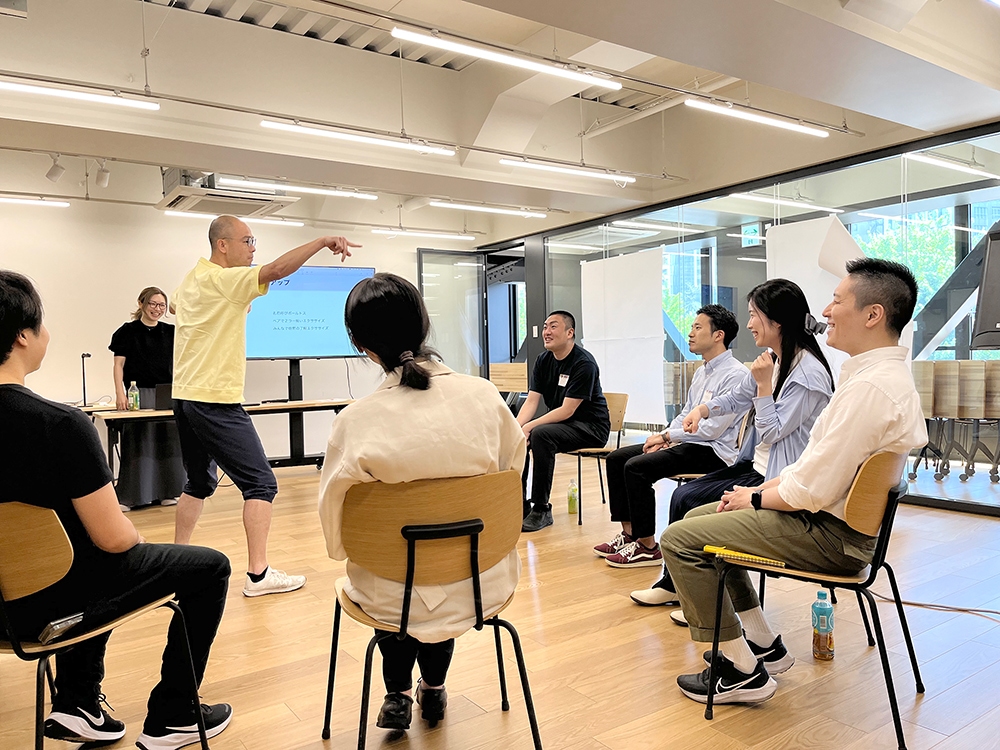
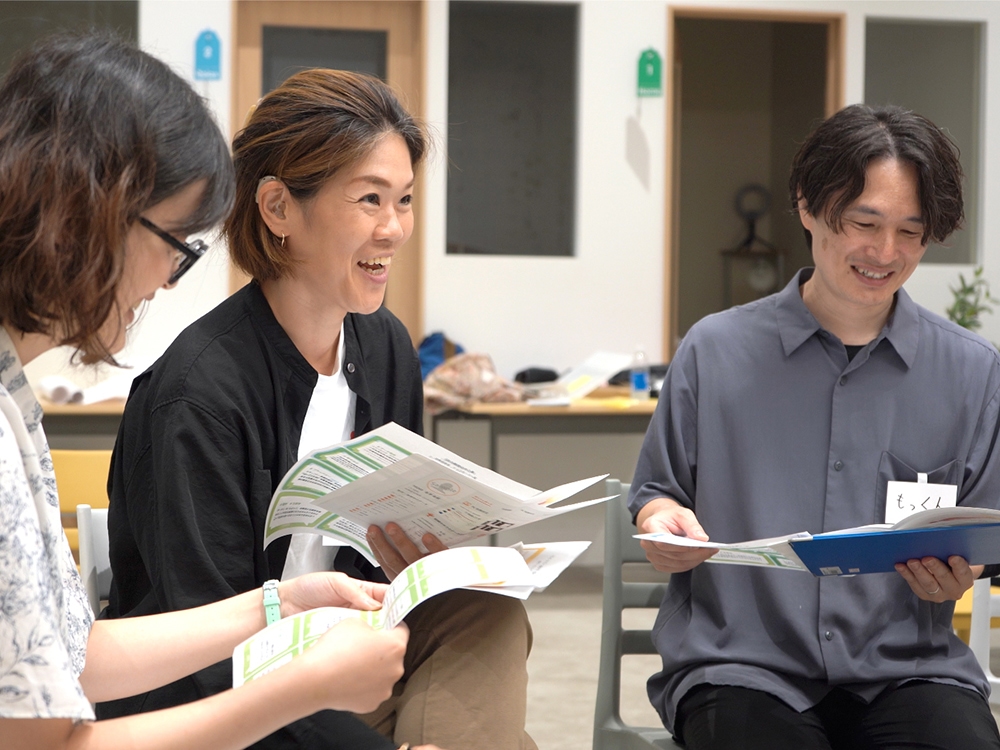
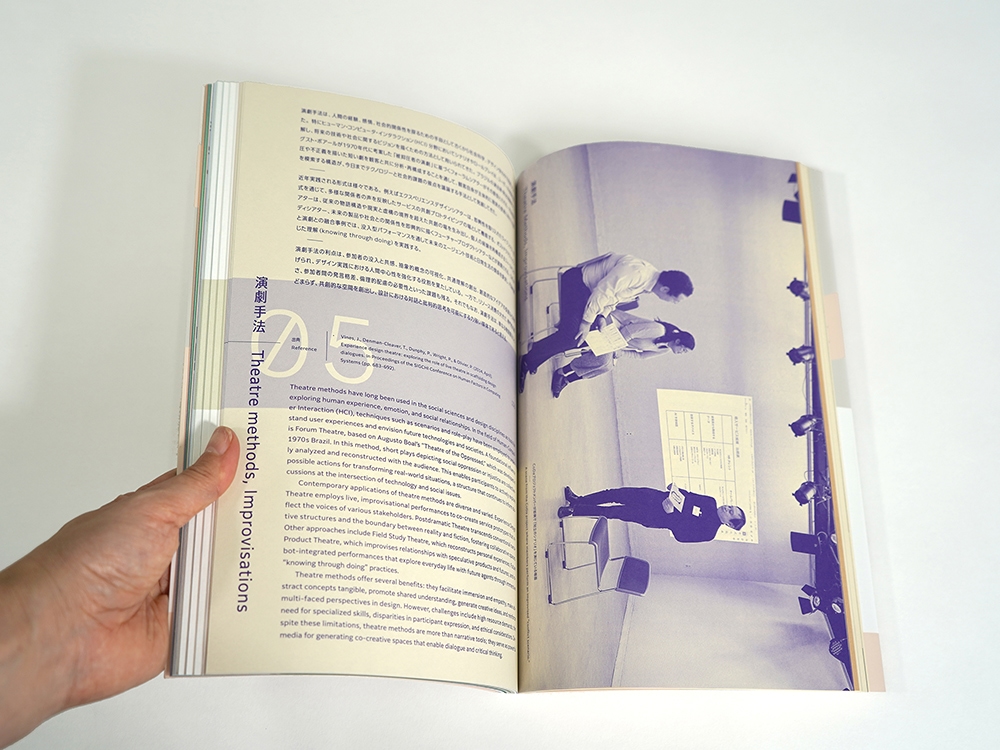
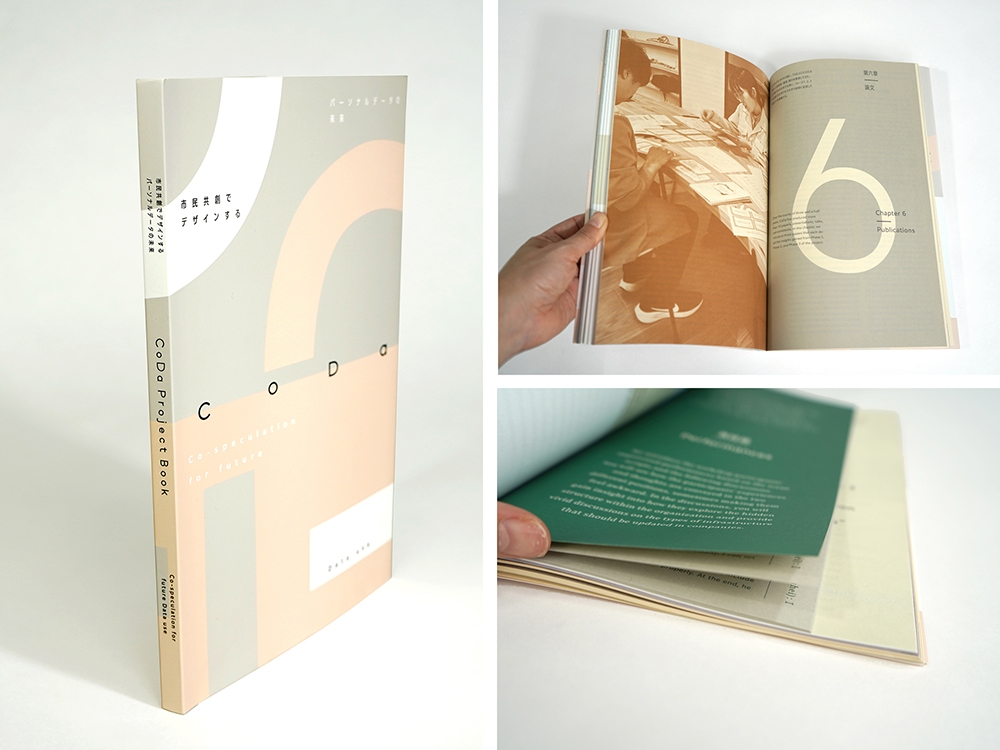
上段:ワークショップの様子。
下段:3年半の活動で行った3つのフェーズの詳細と、立場を超えた学び合いの場をデザインする方法論や著作物など成果をまとめた書籍。こちらから閲覧可能
https://www.slideshare.net/slideshow/co-specuation-for-future-data-use-the-project-book/283461793#2
Connected Resources: 高齢者のリソースフルネスのためのデザイン
高齢者が利用する新たなIoTサービスをコンテクスチュアライズしたデザインフィクションビデオ 2018年
超高齢化が進み、IoTやAIなどの新しい技術が広がるなか、高齢者向けのスマートデバイスも身近になっている。しかし、その多くは、高齢者を「テクノロジーが苦手で、支援を必要とする人」と捉えて設計されており、実際の高齢者の多様な暮らしや使い方とのずれが問題となっている。
本プロジェクトでは、高齢者が持つ「リソースフルネス」に注目した。これは、身の回りの物や人を本来とは異なる方法でも活用し、目の前の課題を工夫しながら乗り越える力である。この力を生かし、高齢者自身が目的や使い方を自由に決められるIoTデバイス「Connected Resources」を構想した。開発には高齢者も参加し、自宅での生活調査や試作品を使ったワークショップを通して、テクノロジーが暮らしに役立つ「資源」として受け入れられるための条件を、デザインガイドラインとしてまとめた。
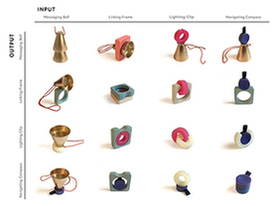
開発した4つのデバイスは、日用品のように直感的に使えるシンプルな形をしている。それぞれ異なるセンサーと動作機能を持ち、単独でも、複数を組み合わせても利用できる。オンラインプラットフォームでは、デバイスが集めたデータを機械学習で分析し、自分や他の利用者の使い方を可視化することで、新しい活用方法の発見を支援する。本プロジェクトはNGI(Next Generation Internet)Award 2019を受賞し、ACM SIGCHI 2019で研究論文を発表した。
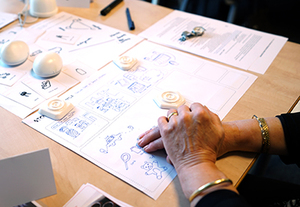
左:リソースフルネスを理解するためのワーキングプロトタイプを用いた高齢の参加者とのワークショップ
右:4つのデバイスをそれぞれ組み合わせてできる16の機能
Hearty Project:ナイジェリアの人々の高血圧治療サービスのデザイン
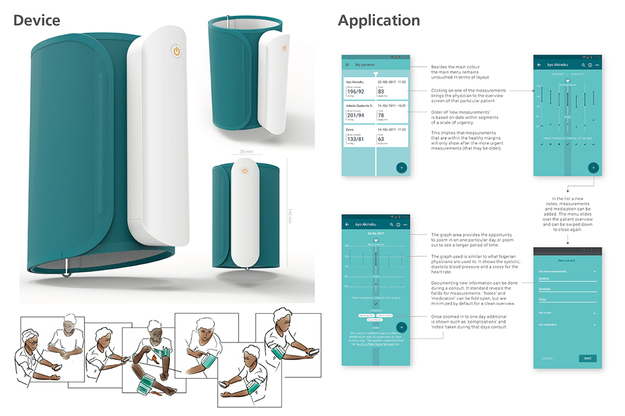
ナイジェリアの中間所得者向けの安価で正確な計測が可能な血圧計と、リモートで医者からの定期検診と処方箋を受け、継続的で正しい自己治療に導くアプリケーション 2017年
ナイジェリアの高血圧による死亡率は世界の平均の 2倍、約半数の成人の死因が高血圧である。なぜナイジェリアの人々が高血圧を治療できないのか、そのバリアを理解し解決策を導くため、現地ラゴスのNPOと協業し、患者、病院、薬局、保険会社などステークホルダーへのフィールドリサーチを実施。グラフィカルなカードやコラージュを使ったインタビューや、日々の高血圧との関わりを当事者たちがインスタントカメラで撮影するCultural Probe手法を用い、実態とそのコンテクストを探った。その結果、患者の高血圧への知識不足、公共交通機関の不便さや病院の混雑、医者の多忙さゆえの短い面会時間と言葉の壁によるミスコミュニケーションが引き起こす薬の誤飲などが、継続的な治療のバリアになっていることがわかった。プロジェクトでは、リモートで患者と医者をつなぎ、患者が病院に行かなくても治療ができるサービスを考案。安価で誰もが正確な測定が可能な血圧計、正しい知識で治療の継続をエンパワーメントするスマホアプリケーション、およびアプリの処方箋で薬を処方する地元の調剤薬局システムのプロトタイプを制作しその有効性を検証した。現地NPOが実現に向けて活動を継続している。
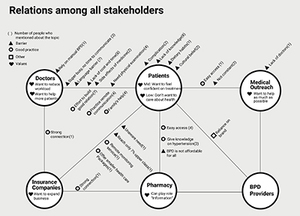
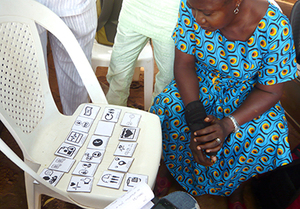
左:リサーチによって明らかになったステークホルダー間の利害関係の可視化
右:患者への高血圧との関わりや感情、暮らしを理解するインタビュー
主な研究論文、講演、受賞歴
- Kitazaki, M., Take, R., Koborita, R., & Nakamura, Y. (2025). Developing publics in companies through infrastructuring for data-driven workplaces in Japan. IASDR 2025: Design Next. Design Research Society.https://doi.org/10.21606/iasdr.2025.930
- Kitazaki, M., & Take, R. (2024). Transformations in participants—Toward citizen-led participatory speculative design to create preferable data-driven workplaces in Japan. In Proceedings of the Participatory Design Conference 2024 (pp. 183–189). Association for Computing Machinery.https://doi.org/10.1145/3661455.3669889
- 北崎允子・赤坂文弥・武理一郎・小堀田良子・石垣一司(2023).データ・ドリブン・ミスコミュニケーション―パーソナルデータ利活用のあり方を市民共創するプロジェクトから見えてきたこと.サービス学会第11回国内大会.
- 北崎允子・赤坂文弥(2022).Co-Speculation:市民共創で未来のパーソナルデータ利活用のあり方を探る.ヒューマンインタフェース学会研究報告集,24,45–52.http://id.ndl.go.jp/bib/033693924
- 黒部瑶乃・北崎允子(2022).出所者のコミュニティへの所属を助けるデザイン.日本デザイン学会研究発表大会概要集,69,250.https://doi.org/10.11247/jssd.69.0_250
- 鎌田奈緒・北崎允子(2022).チームメンバー同士が補い合う関係性を生み出すためのデザイン.日本デザイン学会研究発表大会概要集,69,254.https://doi.org/10.11247/jssd.69.0_254
- 北崎允子・今井岳・仲本修司・鹿志村洋次(2021).人とAIの適切な役割分担を検討するリサーチ方法論の提案.ヒューマンインタフェースシンポジウム2021論文集(pp. 182–189).
- 北崎允子(2020年12月).Research through Designがもたらす知[チュートリアル招待講演].HCGシンポジウム2020.
- 北崎允子(2020年7月).巨人の肩の上でもがく―デザインの実践と研究の相互補完関係[講演].第177回ヒューマンインタフェース学会研究会「サービスデザインの理論と実践(3)」.
- 北崎允子・Nicenboim, I.・Giaccardi, E.(2019).RTDアプローチによる高齢者のリソースフルネスのためのデザイン.日本デザイン学会研究発表大会概要集,66,72–73.https://doi.org/10.11247/jssd.66.0_72
- Fedosov, A., Kitazaki, M., Odom, W., & Langheinrich, M. (2019). Sharing economy design cards. In Proceedings of the 2019 CHI Conference on Human Factors in Computing Systems (Paper 145, pp. 1–14). Association for Computing Machinery.https://doi.org/10.1145/3290605.3300375
- Kitazaki, M., Nicenboim, I., & Giaccardi, E. (2019). Connected resources—Empowering older people to age resourcefully. In Extended Abstracts of the 2019 CHI Conference on Human Factors in Computing Systems. Association for Computing Machinery.https://doi.org/10.1145/3290607.3311774
- Kitazaki, M., Nicenboim, I., & Giaccardi, E. (2019). Connected resources—A Research through Design approach to designing for older people’s resourcefulness. In Proceedings of the Research Through Design Conference 2019.https://doi.org/10.6084/m9.figshare.7855868.v2
- Kitazaki, M. (2019). Connected resources—Designing the Internet of Things for older people’s resourcefulness [Award-winning project]. Next Generation Internet Awards, “Brilliant PhD/Master Student” Award.
- Nicenboim, I., Kitazaki, M., Kihara, T., Torralba Marin, A., & Havranek, M. (2018). Connected resources: A novel approach in designing technologies for older people. In Extended Abstracts of the 2018 CHI Conference on Human Factors in Computing Systems (pp. 1–4). Association for Computing Machinery.https://doi.org/10.1145/3170427.3186527
- Resourceful Ageing Project. (2017). Resourceful ageing [Group exhibition]. Mind the Step, Dutch Design Week, Eindhoven, the Netherlands.
- 北崎允子・蓮池公威(2015).紙と手作業による仕事の観察を通じた「ドキュメントの受け渡し」のデザイン.富士ゼロックステクニカルレポート,24,81–87.
- 北崎允子・田丸恵理子・蓮池公威(2014).紙と手作業による仕事の観察を通じた「ドキュメントの受け渡し」のデザイン.日本デザイン学会研究発表大会概要集,61,56–57.https://doi.org/10.11247/jssd.61.0_56
- 平野靖洋・田丸恵理子・蓮池公威・北崎允子・高木友史・三島悠(2007).ワーク観察とプロトタイピングを通じたドキュメントワーク環境のデザイン.日本デザイン学会研究発表大会概要集,54.https://doi.org/10.11247/jssd.54.0.C05.0
- 富士ゼロックス株式会社(2006).Webベースのシンプルな操作による文書管理・活用ソフトウェア「ArcWizShare」[受賞作品].グッドデザイン賞.
- Kitazaki, M. (2003). Color sounds: An attempt to expand blind people’s recognition of colors through sounds [Exhibited project]. International Council of Graphic Design Associations Nagoya International Design Congress 2003.